Forecast: landfall on the Andhra Pradesh coast on the morning of October 28, as a very severe cyclonic storm.
Winds: sustained at 115 to 125 kmph, with gusts to 140 kmph, according to the reports.
Alerts: red alerts for extremely heavy rain in districts from Kakinada and Konaseema to Guntur, and in Yanam.
Uncertain: the exact landfall point, the timing and the district alert lists, on which reports differ.
Not reported: evacuation numbers and disaster response deployments.
The India Meteorological Department’s Bhubaneswar unit said the system is expected to reach the west-central Bay of Bengal near the Andhra coast around that morning, according to the reports.
Forecasts suggest it could cross the coast between Bapatla and Visakhapatnam, with the Konaseema, Yanam and Kakinada belt among the possible landfall areas, according to the reports.
The storm is expected to strengthen into a very severe cyclonic storm, according to The Hans India and other reports.
Sustained winds of 115 to 125 kmph, with gusts up to 140 kmph, are forecast by the forenoon of October 28, according to the reports.
The IMD has issued red alerts for extremely heavy rainfall, according to the reports.
Kakinada, Konaseema, East Godavari, West Godavari and Eluru districts and Yanam were under a red alert for Tuesday, October 27.
Visakhapatnam, Alluri Sitarama Raju, Anakapalle, Kakinada, Konaseema, East Godavari, West Godavari, Eluru, NTR, Krishna and Guntur districts and Yanam were under a red alert for Wednesday, October 28.
Cyclone warning signals have been issued for nine ports, including Chennai, Nagapattinam, Cuddalore, Karaikal and Pamban, according to one report.
Andhra Pradesh Chief Minister N Chandrababu Naidu has directed officials to stay on high alert and take precautionary measures to minimise inconvenience to the public, according to the reports.
Heavy rain has led to school closures in several districts of Tamil Nadu, according to LatestLY’s Chennai roundup of October 26.
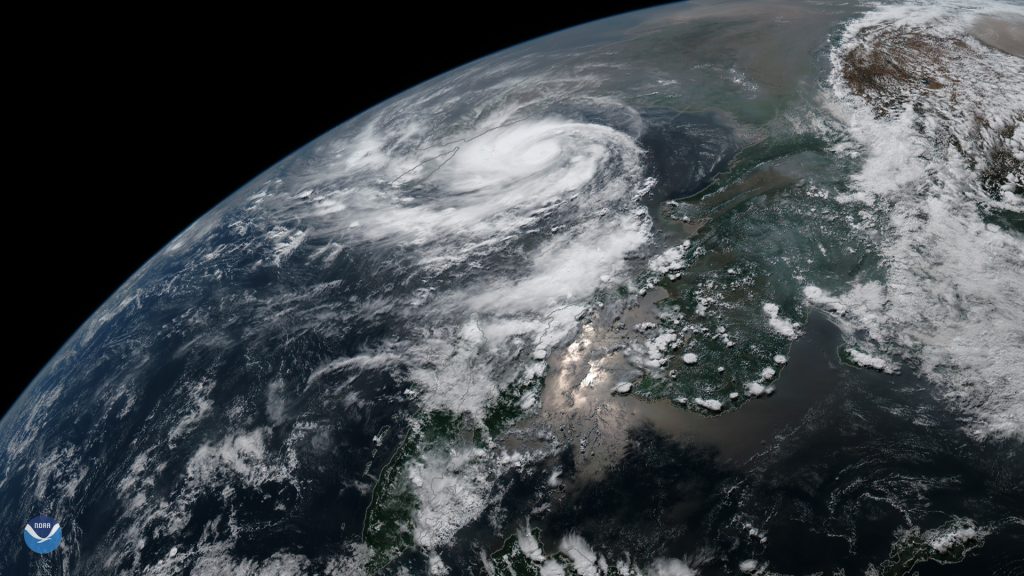
Satellite image of Cyclone Fani over the Bay of Bengal in 2019 (file image, not Cyclone Arnab), NOAA via Wikimedia Commons, public domain
Discover more from Times Release
Subscribe to get the latest posts sent to your email.