Swiggy has named Nandita Sinha, who previously served as CEO of Myntra, as the new chief executive of its quick-commerce arm Instamart.
She will assume charge of Instamart from August 3, 2026, taking over from Amitesh Jha, who has stepped down to pursue opportunities outside the company.
The change in leadership arrives as Instamart faces intensifying competition from Blinkit and Zepto in India’s rapidly expanding quick-commerce market.
Before joining Swiggy, Sinha headed Myntra, where she was credited with scaling the fashion e-commerce platform during a period of sustained growth.
Swiggy indicated the move is aimed at bringing in a leader with a track record of scaling large consumer internet businesses as Instamart moves into its next growth phase.
No additional leadership changes were announced alongside Sinha’s appointment.
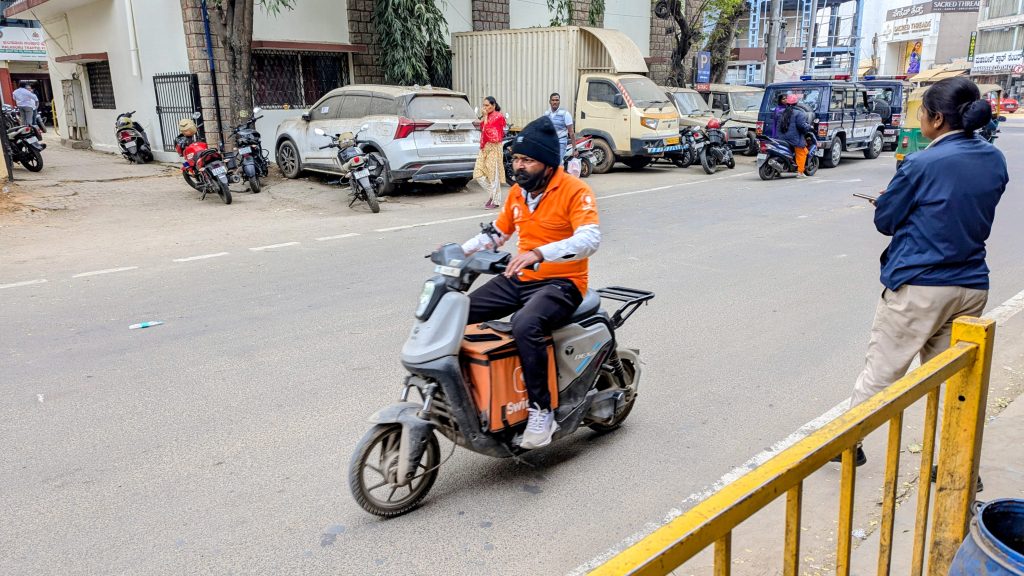
Instamart competes directly with Blinkit, owned by Eternal (formerly Zomato), and Zepto in India’s fast-growing quick-commerce sector, where companies have been racing to expand dark-store networks and cut delivery times.
Sinha’s more than two-decade career has spanned consumer goods and e-commerce, with earlier roles at Hindustan Unilever, Britannia Industries and Flipkart before she moved into leadership positions at Myntra.
During her tenure at Myntra, Sinha oversaw the platform through a period of sustained growth and market share gains, including after it reported EBITDA profitability in 2024.
Instamart has been investing heavily in expanding its dark-store network and improving delivery speeds as quick commerce becomes an increasingly important growth driver for Swiggy’s overall business.
Jha had led Instamart through a period of rapid expansion before his resignation, as the vertical scaled to compete with better-funded rivals in the sector.
Swiggy’s overall business spans food delivery, quick commerce through Instamart, and other services, with the company listed on Indian stock exchanges after its 2024 initial public offering.
Quick commerce has emerged as one of the fastest-growing segments of India’s retail sector in recent years, with platforms competing on delivery speed, product assortment and dark-store coverage across major cities.
Photo by SerChevalerie, Wikimedia Commons, CC0
Discover more from Times Release
Subscribe to get the latest posts sent to your email.