California-based fashion label JW PEI has renamed a garment after facing online backlash for marketing what critics called a saree as a Western-style ‘draped maxi dress.’
The item was originally listed as the ‘Botanical Embellished Draped Overlay Maxi Dress,’ priced at around $229, roughly Rs 21,900 to Rs 26,000.
The controversy was raised by Indian beauty entrepreneur Arshia Moorjani, who questioned why a garment so clearly resembling a traditional saree was being marketed without acknowledging its origin.
Following the backlash, JW PEI changed the product listing to ‘Botanical Embellished Saree-Inspired Gown,’ with the updated description now stating the design is ‘inspired by the traditional South Asian saree.’
The garment in question was a navy blue pre-draped saree-style piece with a floral embroidered blouse, featuring the tight waist pleats and structured pallu characteristic of the Nivi drape, India’s most widely recognised saree style.
Social media users pointed out the pattern of Indian garments being rebranded for Western markets, drawing comparisons to earlier controversies involving dupattas marketed as ‘Scandinavian scarves’ and Prada’s Kolhapuri-inspired sandals.
Social media users pointed out the pattern of Indian garments being rebranded for Western markets, drawing comparisons to earlier controversies involving dupattas marketed as ‘Scandinavian scarves’ and Prada’s Kolhapuri-inspired sandals.
One widely shared comment noted that JW PEI’s founders are an Asian husband-and-wife team, adding a layer to the debate about how cultural elements can be repackaged even by designers with roots in Asia.
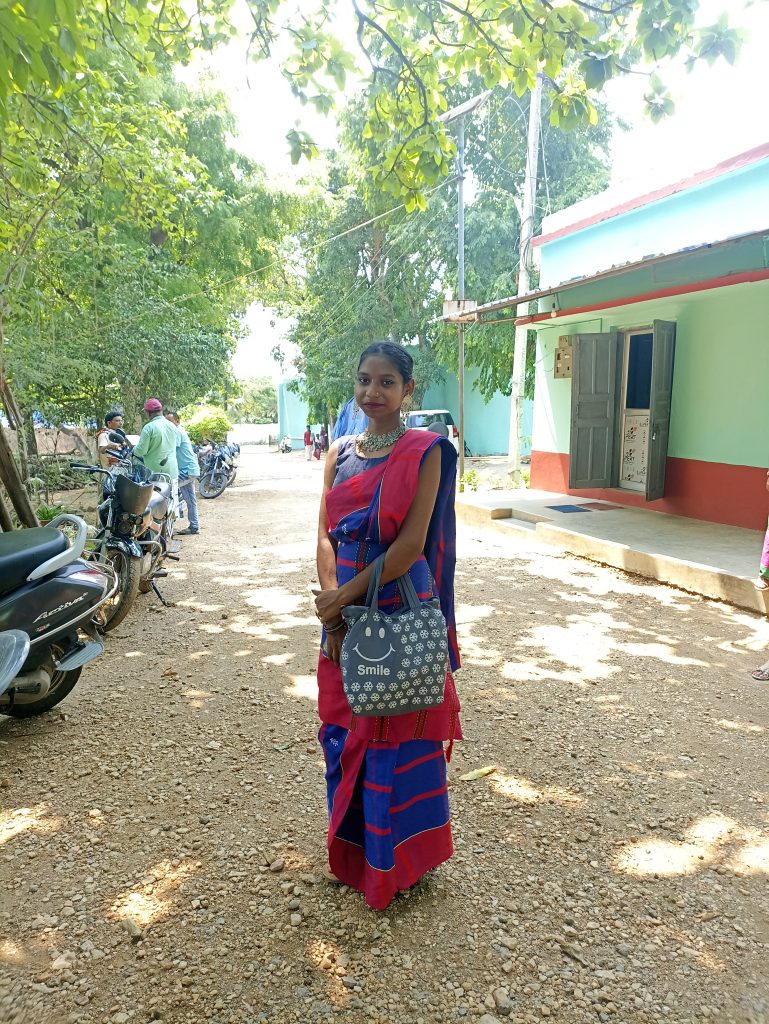
The Nivi drape, the style referenced in the garment’s construction, is the most common way sarees are worn across India today and dates back to a draping method popularised in the late 19th century.
This is not the first time a global fashion label has faced criticism over how it describes traditional South Asian garments, with similar rebranding disputes recurring periodically as Indian-inspired silhouettes gain traction in Western fast fashion.
Photo by Wikimedia contributor, Wikimedia Commons, CC BY-SA 4.0
Discover more from Times Release
Subscribe to get the latest posts sent to your email.