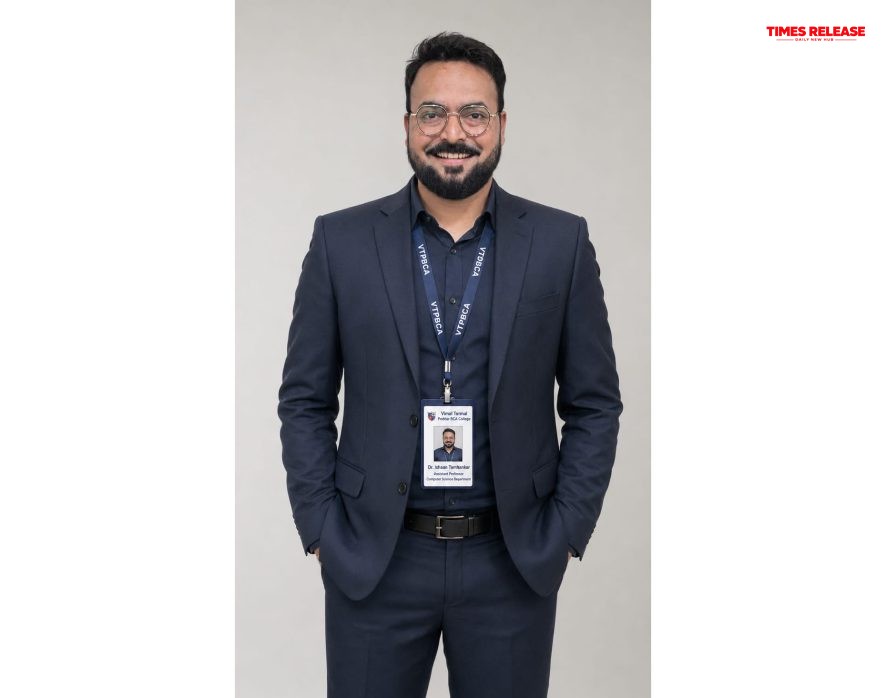
A Surat-based computer science academician, Dr. Ishaan Tamhankar, has built a body of intellectual-property work spanning 10 patents and 6 copyrights, a portfolio that reflects an emphasis on converting research concepts into applied, protectable technology rather than confining his academic output to journal publications alone.
Dr. Tamhankar's documented IP work spans Artificial Intelligence, Machine Learning, cybersecurity, agriculture technology, image captioning and educational technology, according to his academic profile. Among his more recent contributions is a copyright registration for the "NEXTGEN OBE-AI Framework for Adaptive Learning and Continuous Academic Excellence," filed with the Canadian Intellectual Property Office — an outcomes-based education framework applying AI to adaptive learning systems.
Design Registrations Beyond Software
Beyond software-oriented IP, Dr. Tamhankar's profile records UK design registrations for an AI-based predator prevention device intended for agricultural land, and a brush biopsy device aimed at early detection of oral cancer — work that extends his intellectual-property footprint into hardware and medical-adjacent design categories, distinct from his primarily computing-focused research output.
Applied Research Translated Into IP
His Indian intellectual-property filings include an AI-powered image captioning device and a published patent application on Machine Learning-based approaches for intrusion detection systems in wireless sensor networks, alongside research-oriented applications covering Hindi-language email spam classification and data-mining-based institutional administration assessment.
What Patent Filings Do and Don't Confirm
A published or filed patent application reflects a formal claim to novel technical work under review by the relevant intellectual-property office, distinct from a granted patent, which confirms the claim has cleared examination; readers evaluating any academic's IP portfolio typically distinguish between filed applications and granted protections when assessing the maturity of the underlying work.
A Portfolio Spanning Multiple Countries
Taken together, Dr. Tamhankar's IP work spans Indian, Canadian and UK intellectual-property systems, reflecting an academic practice increasingly common among computer science researchers who pursue international protection for applied research output alongside traditional journal publication.
Why Academics Increasingly Pursue Patents
Intellectual-property creation has traditionally played a smaller role in academic evaluation compared to research papers, but Indian higher-education institutions have placed growing emphasis on patents and copyrights as a measure of applied research impact in recent years, alongside more conventional publication metrics. For computer science academics working in fast-moving fields like AI and Machine Learning, this shift creates an incentive to translate research findings into filed intellectual property rather than journal articles alone.
A Portfolio That Spans Multiple Technical Domains
What stands out across Dr. Tamhankar's IP portfolio is its range: agricultural technology, medical-adjacent design work, cybersecurity, language-processing applications and adaptive-learning frameworks all appear within the same body of work, suggesting a research approach that follows practical problems across domains rather than staying confined to a single specialization.
Frequently Asked Questions
How many patents and copyrights does Dr. Ishaan Tamhankar hold?
His documented academic profile records 10 patents and 6 copyrights, spanning areas including AI, Machine Learning, cybersecurity, agriculture technology and educational technology.
What international intellectual-property offices has Dr. Tamhankar filed with?
His profile records filings with the Canadian Intellectual Property Office and UK design registrations, alongside Indian patent applications.
Discover more from Times Release
Subscribe to get the latest posts sent to your email.