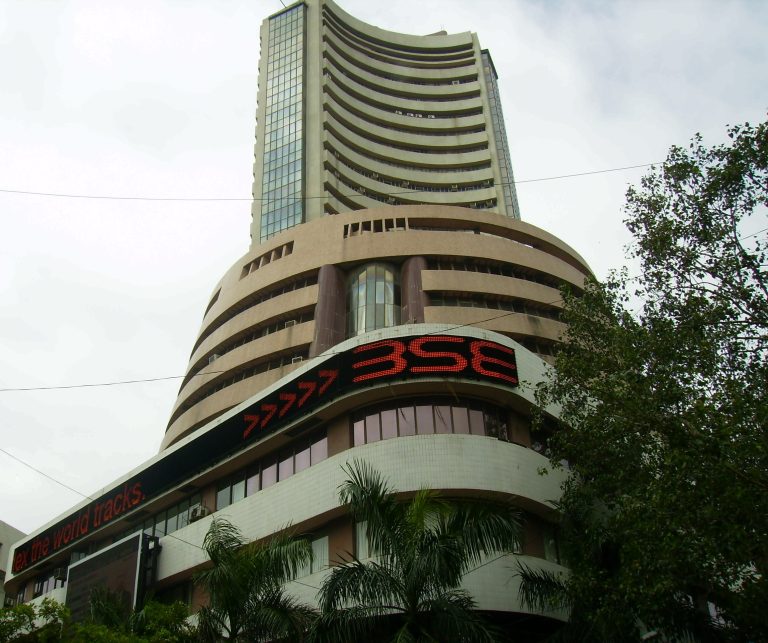
On May 29, 2026, the Indian stock market took a significant hit. The Sensex nosedived over 1,100 points to close at 74,775.74, while Nifty fell nearly 359 points ending at 23,547.75. The crash was driven by relentless foreign institutional investor (FII) selling and fears of a weak monsoon.
The India Meteorological Department’s forecast sent ripples through the market. With rainfall expected to be less than 90% of the Long Period Average for June to September, it marks the lowest in eleven years. “Monsoon rainfall…is likely to be 90% of the long-period average,” stated IMD officials.
A Season of Volatility
Foreign investors have been steadily withdrawing funds from Indian equities. This persistent trend has added layers of uncertainty in an already volatile environment marked by inflation worries linked to low rainfall predictions.
India VIX surged about 9%, reaching 16.35, reflecting heightened market anxiety. Concerns about agricultural output and rising food prices loom large due to inadequate monsoons.
Economic Ripples Felt Wide
The day’s downturn saw a whopping loss of approximately Rs 5 lakh crore in market capitalisation, trimming total value down to Rs 466 lakh crore. Retail investors and mutual fund holders are likely feeling the pinch as wealth erosion becomes evident.
Sectors tied closely with agriculture face potential trouble ahead. Companies within FMCG and commodities may brace for further impacts as investor sentiment turns wary.
What This Means
Investors will keep their eyes glued on monsoon developments as its trajectory significantly influences economic stability moving forward. Market volatility is set to persist until clearer recovery signals appear on both weather fronts and economic landscapes alike.
Discover more from Times Release
Subscribe to get the latest posts sent to your email.