In a rapidly changing world, personal growth is no longer limited to developing professional skills. Young adults today are navigating financial uncertainty, changing workplace expectations, digital careers, and the constant challenge of staying productive. Building a secure future requires a combination of financial literacy, effective habits, career adaptability, and continuous learning.
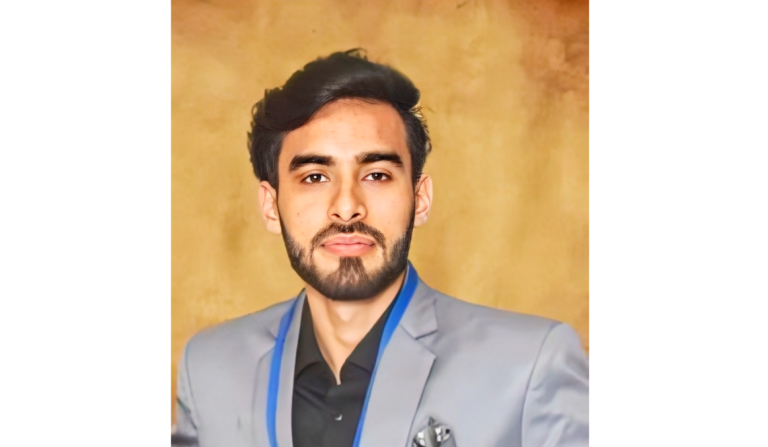
Dr. Chandan Dash represents a perspective that emphasizes practical development and informed decision-making. Whether the goal is managing money more effectively, overcoming procrastination, or preparing for a career transition, small and consistent improvements can create meaningful long-term results.
Financial Literacy for Young Adults: Building a Stronger Financial Foundation
Financial literacy is one of the most valuable skills a young adult can develop. Understanding where money goes, how savings work, and how investments generate returns can make financial decisions less stressful and more deliberate.
Start With a Simple Budget
The first step toward better money management is knowing how much you earn and where you spend it. A simple monthly budget can divide income into essential expenses, financial goals, and discretionary spending.
Young adults can begin by tracking:
- Monthly income
- Rent and household expenses
- Food and transportation
- Subscriptions and entertainment
- Loan or credit-card payments
- Emergency savings
- Investments and long-term goals
The objective is not to eliminate every enjoyable expense. Instead, budgeting creates awareness and helps prevent spending from consistently exceeding income.
Build an Emergency Fund
An emergency fund can provide financial protection when unexpected expenses arise. Medical costs, job changes, repairs, or other emergencies can become difficult to manage without accessible savings.
A practical approach is to begin with a small target and gradually work toward several months of essential expenses. Keeping emergency savings separate from everyday spending can also reduce the temptation to use the money unnecessarily.
Understand Modern Investment Trends
Young investors today have access to a wider range of financial products than previous generations. Mutual funds, exchange-traded funds, index investing, retirement accounts, and other investment options have become increasingly accessible through digital platforms.
However, accessibility does not eliminate risk.
Before investing, individuals should understand important concepts such as risk tolerance, diversification, compounding, fees, inflation, and investment time horizons. Social-media investment trends can provide ideas, but financial decisions should be based on research rather than online hype.
For beginners, learning the fundamentals and maintaining a long-term perspective can be more valuable than attempting to predict short-term market movements.
Overcoming Procrastination: Turning Goals Into Consistent Action
Financial planning alone cannot create progress if important goals are repeatedly delayed. Procrastination affects students, professionals, entrepreneurs, and virtually anyone working toward a long-term objective.
Psychological research suggests that procrastination is often connected to factors such as task aversion, low motivation, uncertainty, and difficulty regulating emotions. Simply telling yourself to “work harder” may therefore not be enough.
Break Large Goals Into Smaller Tasks
A major project can feel overwhelming when viewed as one enormous responsibility. Breaking it into smaller actions makes the starting point clearer.
Instead of setting a goal such as “learn a new skill,” create specific actions:
- Choose the skill.
- Find a structured learning resource.
- Study for 20–30 minutes.
- Practice one concept.
- Review progress at the end of the week.
This approach creates visible progress and makes consistency easier.
Use the Two-Minute Starting Rule
One useful behavioral strategy is to make the first step extremely easy. If studying feels difficult, commit to opening the course and studying for two minutes. If writing feels overwhelming, begin with one paragraph.
Starting reduces the psychological barrier surrounding a task. Once momentum develops, continuing often becomes easier.
Design Better Habits Instead of Depending on Motivation
Motivation naturally changes from day to day. Habits and environments can provide a more reliable structure.
A productive routine might include:
- Setting a consistent working time
- Keeping distractions away
- Preparing tasks the night before
- Using short focused work sessions
- Tracking completed tasks
- Rewarding consistent progress
The goal is not perfection. Missing one day does not erase progress. The important principle is to return to the routine rather than allowing one setback to become a pattern.
Navigating Career Transitions in a Changing Workplace
Career development has also changed significantly. Remote employment, freelancing, digital entrepreneurship, and online education have created new opportunities while increasing competition.
Professionals transitioning into a new career should focus on transferable skills rather than relying only on previous job titles.
Understanding Remote Work Dynamics
Remote work requires more than having a laptop and internet connection. Successful remote professionals typically need strong communication, time management, self-discipline, and digital collaboration skills.
Clear written communication becomes particularly important because remote teams cannot always rely on face-to-face conversations. Setting expectations, documenting progress, attending meetings prepared, and respecting boundaries can help remote workers remain effective.
Exploring Freelancing
Freelancing can provide flexibility and an alternative path for professionals who want greater independence.
Before making the transition, aspiring freelancers should identify a specific service they can offer. Examples include:
- Web design
- Graphic design
- Content writing
- Digital marketing
- Video editing
- Programming
- SEO services
- Consulting
Building a portfolio can be more persuasive than simply listing skills. Even a small collection of well-presented projects can demonstrate capability to potential clients.
Freelancers should also learn basic business practices, including pricing, contracts, invoicing, client communication, and personal financial planning.
Upskilling for Long-Term Career Growth
Technology continues to reshape the workplace, making continuous learning increasingly important. Upskilling does not necessarily mean earning another degree. Short courses, certifications, practical projects, workshops, and self-directed learning can all contribute to professional development.
A useful approach is to identify the skills increasingly valued in a desired career and then create a focused learning roadmap.
For example, someone moving into digital marketing might study SEO, analytics, content strategy, social media marketing, and AI-assisted workflows. A designer might expand into UX, motion design, prototyping, or emerging design technologies.
Connecting Personal Growth With Financial and Career Goals
Personal growth works best when different areas of life support each other.
Better financial habits can reduce unnecessary stress. Better productivity habits can create more time for learning. New skills can create stronger career opportunities. Stronger career opportunities can improve earning potential, which can then support long-term financial goals.
This creates a cycle of development:
Learn → Build Skills → Improve Career Opportunities → Manage Money Wisely → Invest in Future Growth
The process does not happen overnight. Sustainable progress usually comes from small decisions repeated consistently over time.
Final Thoughts
For young adults, building a successful future requires more than chasing a higher income or following the latest career trend. It requires learning how to manage money, develop productive habits, adapt to workplace changes, and continuously improve valuable skills.
The ideas associated with Dr. Chandan Dash can be viewed through this broader lens of practical personal development: financial literacy creates stability, disciplined habits create momentum, and continuous upskilling creates adaptability.
Whether someone is starting their first job, exploring freelancing, changing careers, or simply trying to become more financially responsible, the strongest investment is often the one made in knowledge, discipline, and long-term thinking.
Discover more from Times Release
Subscribe to get the latest posts sent to your email.