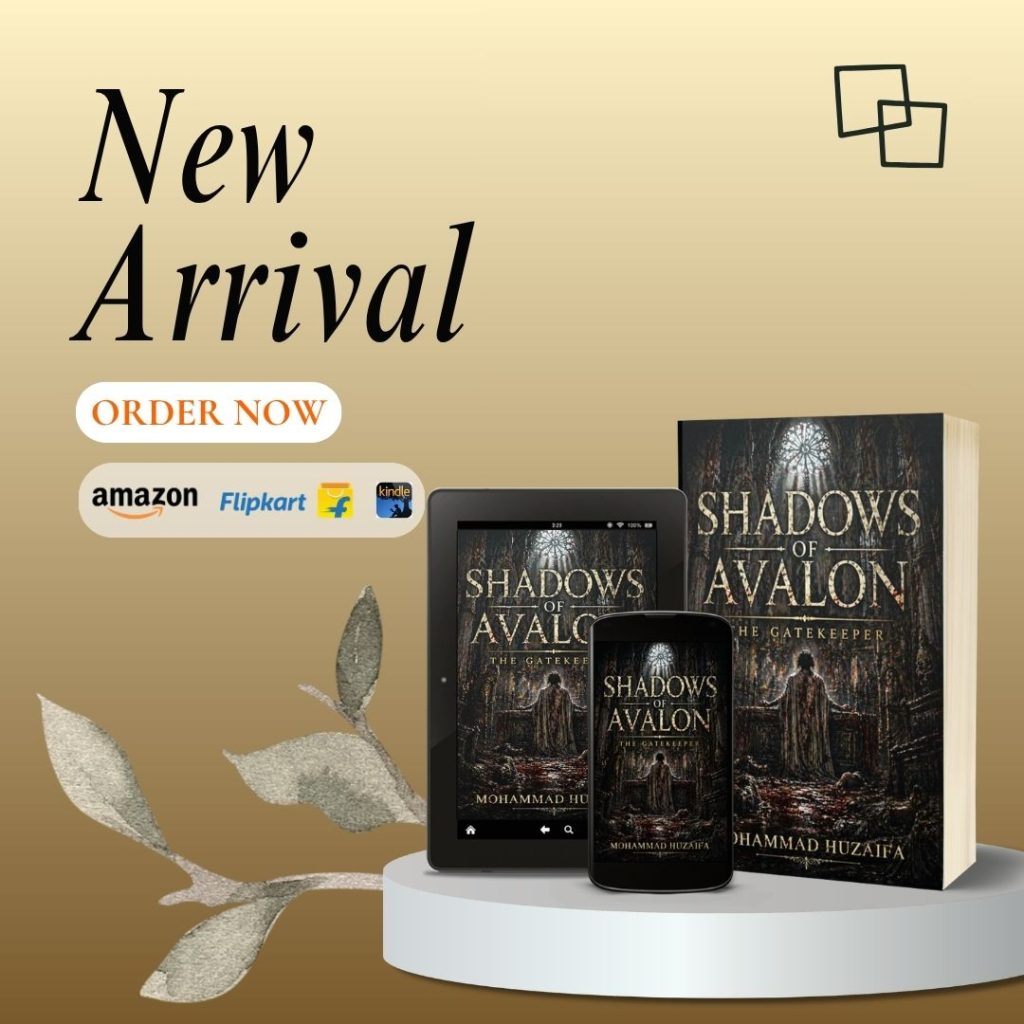
In an era where fantasy literature continues to evolve beyond traditional tropes, Shadows of Avalon by Mohammad Huzaifa emerges as an ambitious and emotionally resonant novel that successfully blends mythological grandeur, supernatural intrigue, and deeply human storytelling. Published in June 2026, the novel introduces readers to the enigmatic city of Avalon—a realm balanced precariously between Heaven, Hell, and the mortal world.
From its opening pages, the book distinguishes itself through its lyrical prose and epic world-building. The narrative begins with The Xuyaniad, an ancient poetic saga that establishes the mythology surrounding figures such as Palin and Xuyang, creating a rich legendary backdrop reminiscent of classical epics and Norse-inspired storytelling. The poetic passages lend the novel a timeless quality while preparing readers for the larger cosmic conflict that unfolds throughout the story.
At the heart of the novel is Lysander, a former hero whose physical wounds and emotional scars continue to shape his actions. Now the guardian of Sanctum, a fortress safeguarding the Divine Crystal and protecting an orphanage, Lysander embodies the book’s central theme: true heroism lies not merely in defeating monsters but in preserving hope and humanity. His quiet dedication to protecting vulnerable children adds a touching emotional dimension to a narrative otherwise filled with celestial threats and supernatural dangers.
One of the novel’s greatest strengths is its characterization. Author creates a cast that feels authentic despite the fantastical setting. Draven, the pragmatic physician and loyal friend, provides emotional grounding and memorable dialogue, while characters such as Serene and Elara bring fresh perspectives to the story. Particularly noteworthy is Serene, a necromancer portrayed not as a harbinger of death but as a compassionate listener to lost souls. Her introduction challenges conventional fantasy archetypes and adds emotional depth to the narrative.
The world-building is equally impressive. Avalon is depicted as a city suspended between modernity and myth, where ancient runes coexist with surveillance systems, and divine relics influence everyday life. The gradual emergence of “The Corruption” a catastrophic weakening of the barrier between realms creates a palpable sense of dread that steadily intensifies as the story progresses. The author skillfully balances action, mystery, and character-driven moments, ensuring that the novel never loses sight of its emotional core.
Another commendable aspect of the book is its exploration of themes such as sacrifice, friendship, grief, redemption, and belonging. Beneath the fantasy adventure lies a story about damaged individuals finding purpose and connection in a world threatened by chaos. The relationships between characters are handled with sensitivity, making their struggles and triumphs feel meaningful and relatable.
The prose itself deserves special mention. Whether describing eerie graveyards under a blood-red eclipse, bustling city streets overshadowed by impending catastrophe, or tender interactions between orphaned children and their protector, the author demonstrates a strong command of atmosphere and imagery. The narrative frequently shifts between grand, mythic scope and intimate emotional moments, creating a reading experience that is both immersive and heartfelt.
Shadows of Avalon will particularly appeal to readers who enjoy epic fantasy, supernatural adventures, and character-driven narratives. Fans of modern fantasy sagas that combine mythology, magic, and emotional storytelling will find much to admire in this novel.
.
Discover more from Times Release
Subscribe to get the latest posts sent to your email.