

In 2003, the Tamil Nadu Assembly took action against journalists over articles about Assembly proceedings.
The Supreme Court stayed the arrests of six journalists.
The matter was referred to five judges in December 2003 and later to seven.
The Assembly withdrew its resolution in 2004.
On October 6, 2026, the bench closed the reference as infructuous.
The bench was headed by Chief Justice of India Surya Kant, with Justices Aravind Kumar, Prashant Kumar Mishra, Joymalya Bagchi, Vipul M. Pancholi, Shree Chandrashekhar and V Mohana.
The case is N. Ravi and others v. Speaker, Legislative Assembly, Tamil Nadu, which began in 2003.
In 2003, the Tamil Nadu Assembly took action against journalists, including N. Ravi, over articles in The Hindu and Murasoli about Assembly proceedings.
The Privileges Committee found a possible breach, and the Assembly passed a resolution on November 7, 2003.
The then Speaker, K. Kalimuthu, ordered the journalists’ arrest, and the Supreme Court stayed the arrest of six journalists, according to ThePrint.
A bench of Justices Y.K. Sabharwal and S.B. Sinha stayed the arrests on November 10, 2003, according to LiveLaw.
In December 2003, the court framed substantial questions of law and referred the matter to a five-judge bench.
That bench noted a conflict between earlier rulings on legislative privileges and referred the matter to seven judges.
The reference then remained pending for about two decades, and the court fixed the hearing for October 6 in August 2026.
The Tamil Nadu Assembly had unanimously withdrawn its November 7, 2003 resolution in 2004, according to ThePrint.
Senior Advocate Raju Ramachandran told the court about the withdrawal, and the bench noted that the reference order had not taken notice of it.
Because the resolution stood recalled, the court held that there was no surviving cause of action.
The writ petitions were disposed of as infructuous.
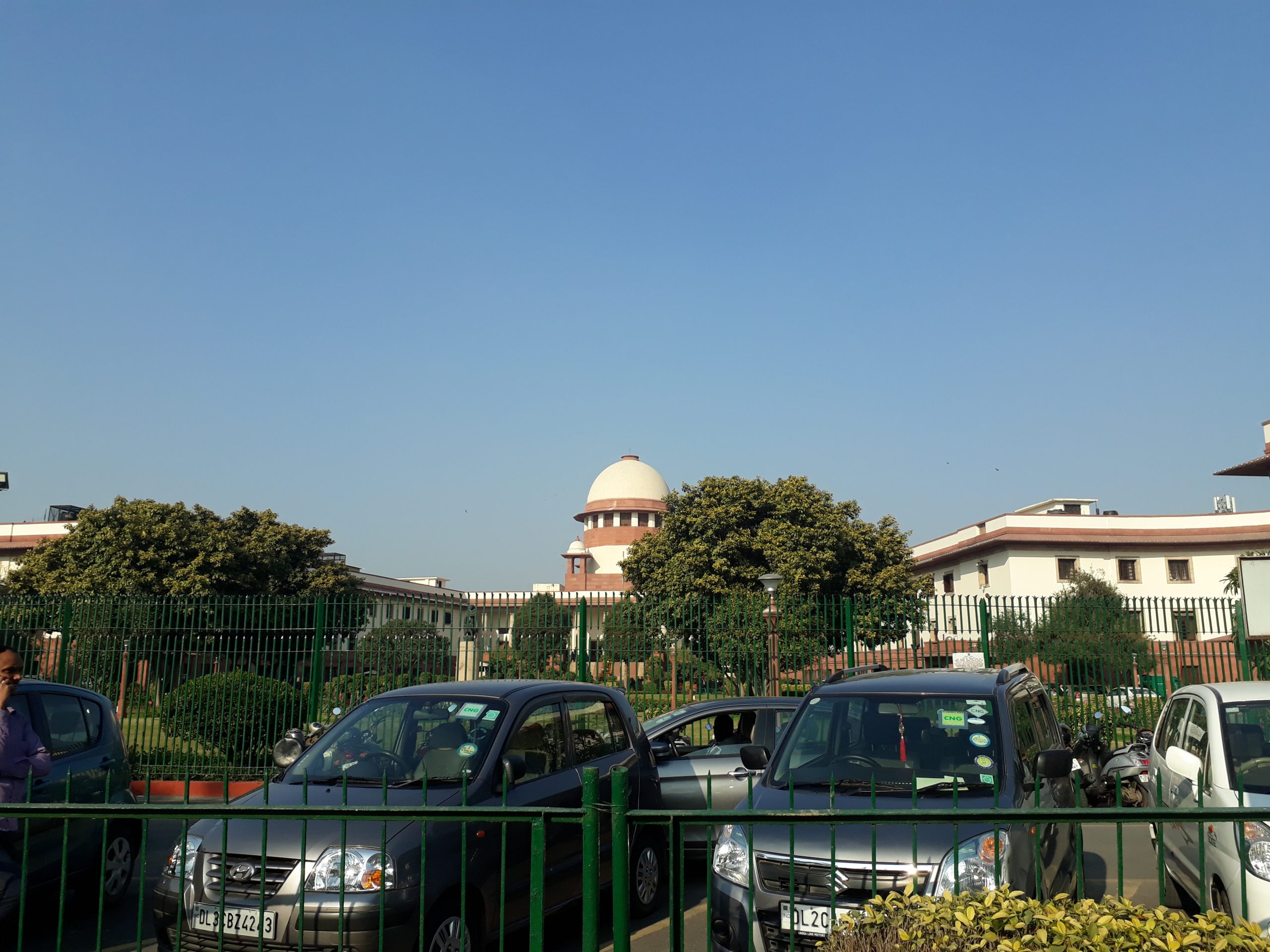
Supreme Court of India (file image), Wikimedia Commons, CC BY-SA 4.0
Discover more from Times Release
Subscribe to get the latest posts sent to your email.